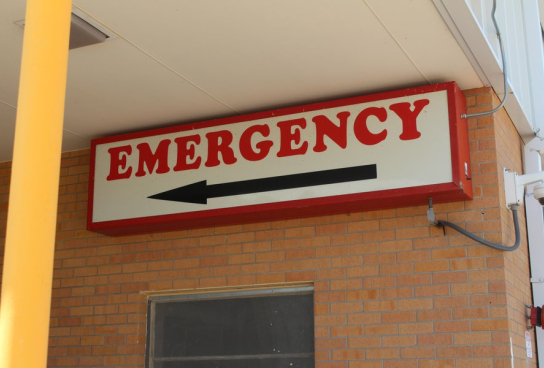
Nebraska hospital leaders warn mounting financial challenges and Medicaid cuts could affect care access
LINCOLN, Neb. (KOLN) - Nebraska hospitals face mounting financial and operational challenges that could jeopardize access to care across the state, particularly in rural communities.
That’s according to leaders from the Nebraska Hospital Association (NHA), who say rising costs, sweeping Medicaid funding cuts, and the expiration of key tax credits are creating an unsustainable environment for healthcare providers.
A recent December NHA survey found that 55% of hospitals described their 2025 financial conditions as “challenging” or “very challenging,” with nearly one-third reporting negative operating margins in the last quarter.
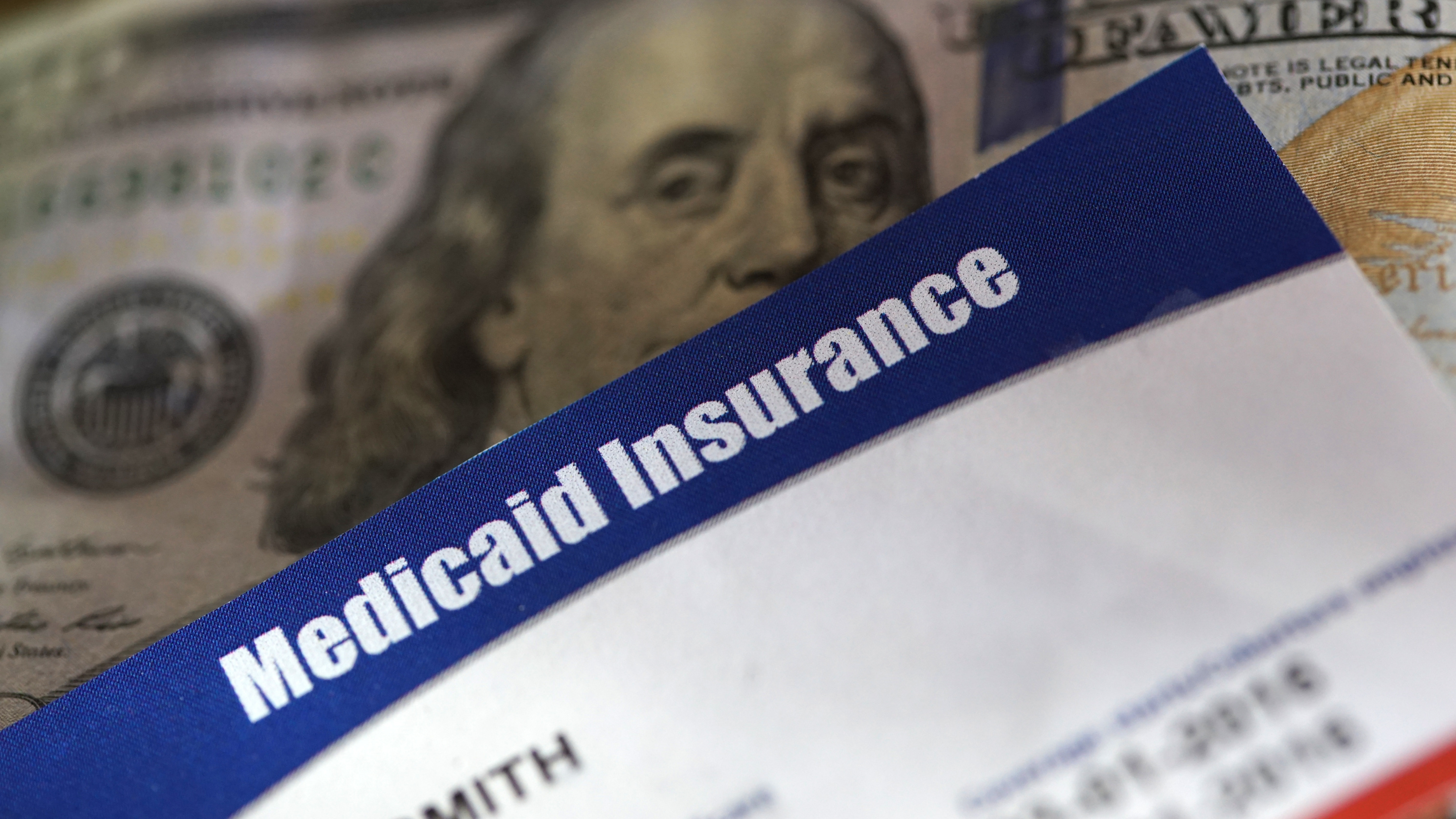
These pressures are compounded by the U.S. House’s passage of HR 1, which slashed nearly $1 trillion in Medicaid funding, and the expiration of Enhanced Premium Tax Credits. These changes are expected to leave at least 23,000 Nebraskans uninsured while driving up premiums for thousands more.
Hospital leaders also raised concerns about new regulatory burdens, including site-neutral payment policies could reduce access to care and force cost-cutting measures.
Site-neutral payment policies would reduce the amount Medicare pays fore certain services when they are done in more expensive settings, like a hospital outpatient center.
The goal is to make Medicare pay the same for services regardless of where it’s done.
The NHA wants to keep things as they are to bring in more dollars for rural hospitals.
“We must not allow policy changes and budget cuts that further jeopardize the well-being of our hospitals,” said NHA President and CEO Jeremy Nordquist. “Every Nebraskan deserves access to lifesaving care close to home.”
Anthony Ashby, president of CHI Health Immanuel in Omaha, said Nebraska families are already struggling with high costs for essentials like groceries and housing.
“Increasing the cost of health insurance or losing their coverage completely is the last thing they need, as it could be the final blow that prevents them from affording essential doctor visits and preventive care and lands them in the emergency room,” Ashby said.
Hospital officials are urging state and federal policymakers to protect Medicaid reimbursements, preserve 340B drug pricing, and ensure rural hospitals receive adequate funding to maintain essential services.
Learn more from 1011 NOW.